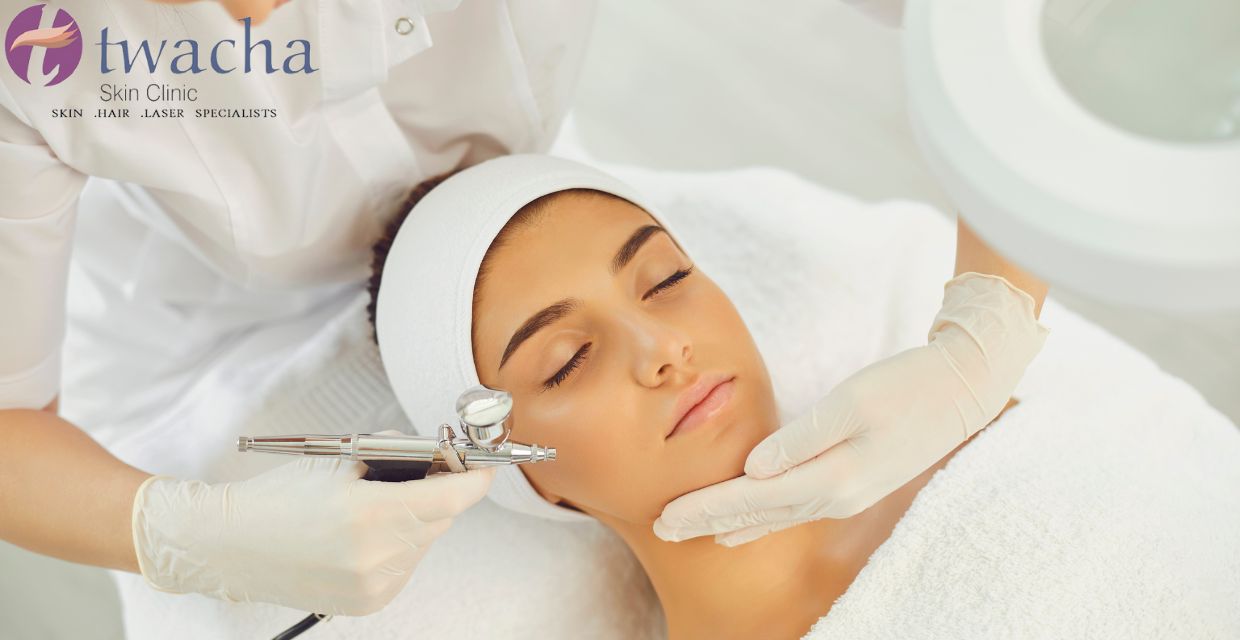
You’re grappling with pigmentation, and the big question on your mind is, “How long does pigmentation take to fade?” It’s a question many of us ask, as these unwelcome dark spots can be quite frustrating, making our skin look uneven and dull. While it can feel like they’re stubbornly clinging on, there’s a lot we can do to encourage them to fade faster. We’ll explore the factors influencing fading time and delve into effective strategies, including discussing when professional Pigmentation treatment in Delhi might be your best option for quicker and more significant results. Let’s get into it!
Understanding Pigmentation: The Story Behind the Spots
Before we talk about fading, let’s quickly understand what pigmentation is. In simple terms, pigmentation, or hyperpigmentation, is when certain areas of your skin become darker than the surrounding skin. This happens because of an overproduction of melanin, the natural pigment responsible for your skin, hair, and eye color. When melanin-producing cells (melanocytes) go into overdrive, they deposit excess pigment, leading to those familiar dark spots.
What makes these melanocytes get so excited in the first place? Here are the primary culprits:
- Sun Exposure (Solar Lentigines / Sunspots / Age Spots): This is by far the most common reason. UV radiation from the sun triggers melanocytes to produce more melanin as a protective mechanism. Over time, this cumulative damage can lead to discrete dark spots, especially on areas frequently exposed to the sun like the face, hands, and décolletage.
- Post-Inflammatory Hyperpigmentation (PIH): This occurs after some form of skin inflammation or injury. Think about that dark spot left behind after an acne breakout, a cut, a burn, an insect bite, or even an aggressive facial treatment. As the skin heals, it produces excess melanin in response to the trauma. PIH can range from red to brown to purplish, depending on your skin tone and the depth of the pigment.
- Melasma (Chloasma / “Mask of Pregnancy”): This is a more complex and often more challenging type of hyperpigmentation. It appears as larger, blotchy, symmetrical patches, typically on the face (forehead, cheeks, upper lip, chin). Melasma is primarily triggered by hormonal changes (like pregnancy, birth control pills, hormone replacement therapy) combined with sun exposure. Heat can also exacerbate it.
- Hormonal Fluctuations: Even outside of melasma, general hormonal shifts can sometimes influence melanin production.
- Medications: Certain medications, including some antibiotics, anti-malarial drugs, and even some anti-seizure medications, can make your skin more susceptible to hyperpigmentation, especially when exposed to the sun.
- Genetics: Your genetic predisposition plays a role in how easily your skin develops pigmentation and how quickly it fades.
- Friction or Pressure: In some cases, repeated friction or pressure on the skin can lead to darkening.
Now that we know what we’re up against, let’s tackle the big question: how long does pigmentation take to fade?
How Long Does Pigmentation Take to Fade?
Pigmentation can last for weeks or months without proper care. Get advanced treatments from skin specialists to speed up fading and achieve clear, even-toned skin faster.
Book Your Pigmentation Treatment Today