By Dr Prachi Gupta, Dermatologist, Twacha Skin & Hair Clinic
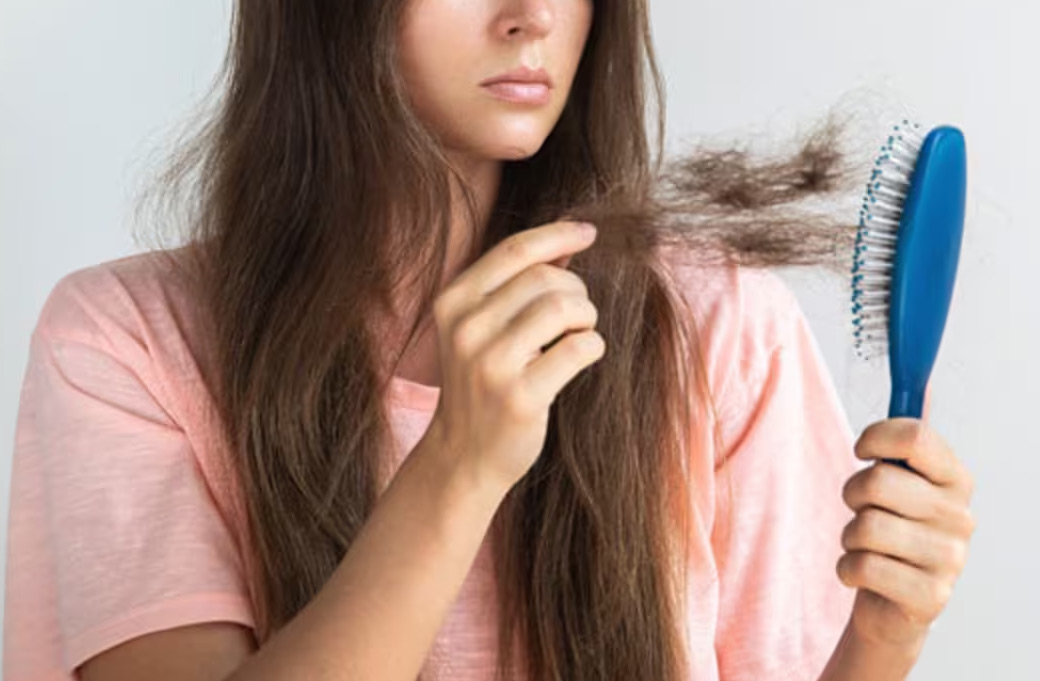
Hair fall has become one of the most common concerns among both men and women living in Delhi. Seeing hair on the pillow, in the shower drain, or on the comb can be worrying. It is important to understand that some amount of daily hair loss is normal. Losing around 50–100 hair strands per day is part of a healthy hair growth cycle.
However, if hair fall was previously minimal and you are now experiencing excessive shedding, thinning, or loss of hair volume, it usually indicates an underlying problem. Hair loss is rarely caused by a single factor. In most individuals, it is multifactorial, and treatment must be tailored accordingly.
Common causes of increased hair fall
One of the most frequent causes is nutritional deficiency. Low levels of iron, vitamin D, vitamin B12, and inadequate protein intake can significantly affect hair growth. Hormonal imbalances are another major contributor. Conditions such as polycystic ovarian syndrome (PCOS) in women and androgenetic alopecia in both men and women commonly lead to chronic hair fall.
Scalp inflammation also plays an important role. Conditions such as dandruff, seborrheic dermatitis, psoriasis, and scalp infections—both fungal and bacterial—can weaken hair roots and increase hair shedding. Thyroid disorders, whether overactive or underactive, are another commonly overlooked cause of persistent hair loss.
Why hair fall is increasing in Delhi
Life in Delhi brings its own challenges for hair health. High levels of air pollution create oxidative stress on the scalp, leading to inflammation and gradual damage to the hair follicles. Chronic stress related to urban lifestyle, long working hours, inadequate sleep, and emotional strain can push a large number of hair follicles into the shedding phase. This often presents as sudden hair fall a few months after a stressful event.
Another important but less discussed factor is hard water. The high mineral content in Delhi’s water can leave residue on the scalp, leading to build-up, clogged follicles, and an unhealthy scalp environment that worsens hair fall.
What you can do to prevent hair fall
Maintaining a balanced, protein-rich diet is essential for healthy hair growth. Crash dieting should be avoided, as it commonly triggers hair fall. Stress management, adequate sleep, and gentle scalp cleansing help maintain a healthy hair cycle. Limiting excessive heat styling and chemical treatments also reduces hair damage.
Self-medication and treatments suggested online without medical guidance should be avoided, as they can worsen hair loss or delay correct diagnosis.
Hair fall treatment at Twacha Skin & Hair Clinic
At Twacha Skin & Hair Clinic, hair fall treatment begins with a detailed medical history and thorough scalp examination, followed by investigations when required. Treatment is individualised based on the underlying cause and stage of hair loss.
Management may include a combination of oral and topical medications along with advanced procedures such as PRP, GFC, QR678, exosome therapy, and hair nutrient drips. Not every patient requires procedures, and treatment plans are customised to ensure safe, effective, and long-term results.
Early diagnosis and timely treatment can restore hair health and significantly reduce the risk of permanent hair loss.