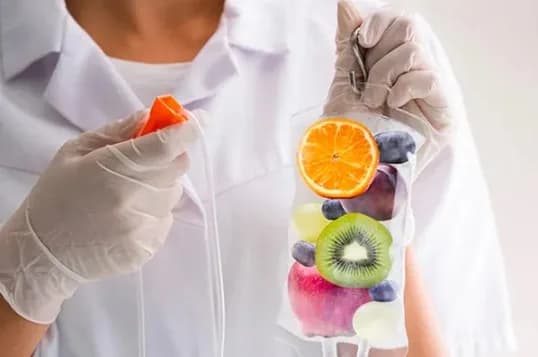
Chances are, someone has already told you that their skin ‘transformed’ with three drips. Maybe it was your cousin before her wedding, or perhaps a colleague who returned from a lunchtime nap looking suspiciously good-rested. Search for IV drip therapy in Delhi, and you will come across hundreds of clinics all promising to give you glow, energy, and thicker hair in one session.
But what is actually in that bag of liquid magic, and how much of it is hype? What are the realistic benefits of a drip — and which ones are you better off without?
This article will keep it real about the pros and cons of IV drip therapy as a skincare tool, with plenty of details on its actual effect on the skin and hair, as well as which vitamins have proven benefits — and which ones are best left alone.
First, let’s discuss what an IV drip actually is.
As mentioned, it is simply a saline solution with added vitamins, minerals, and antioxidants, delivered into the bloodstream through a thin tube inserted into a vein in your arm.
It takes about 30 to 60 minutes to complete. A drip, in this case, is a much more convenient way to introduce micronutrients into the body than oral supplements.
A drip is a much more convenient way to introduce micronutrients into the body than oral supplements.
The reason for this is that quite a considerable amount of nutrients in the daily diet, as well as in dietary supplements, are not absorbed by the body for various reasons: decreased functionality of the gastrointestinal tract, various diseases, and the interaction of drugs with the absorption process.
This is why doctors prescribe regular vitamin infusions to patients with nutrient absorption problems. In healthy people, IV drips can help to ensure that the body gets the proper nutrition that it lacks due to unhealthy eating or extreme dieting.
That's the whole mechanism. It's not magic, and it isn't meant to be.
What it does for your skin
Here's where things get more interesting than the brochures suggest.
Vitamin C and glutathione are the two materials people are most interested in. Vitamin C is the real cofactor that participates in collagen synthesis, so your body cannot produce collagen without it. Glutathione is the antioxidant that your liver produces, which is involved in melanin metabolism.
In practice, patients most often report skin that looks less dull and less tired. Hydration improves. That grey, flat look that comes from bad sleep and Delhi air tends to lift. If your levels were genuinely low to begin with, the difference can be noticeable.
But read that last sentence again. If your levels were low to begin with.
That's the part nobody says out loud. Topping up a tank that's already full does very little. A drip corrects a shortfall. It doesn't create a surplus your skin can bank.
What it does for your hair
Hair is honestly where nutrient infusions make the most sense, and there's a clear reason for that.
Hair follicles are among the fastest-dividing cells in your body. They're metabolically expensive. When your iron, B12, vitamin D or protein levels drop, your body triages, and hair is one of the first things it deprioritises. It's not essential to survival, so it gets cut from the budget.
This is why so many people with unexplained hair fall turn out to have a deficiency sitting underneath it.
A hair-focused drip typically carries B12, biotin, amino acids and other multivitamins. The idea is to remove the nutritional roadblock so the follicle can do its job. At Twacha's clinic in Dwarka, the Hair Revive Drip is built around exactly this combination, and sessions usually run 45 to 60 minutes, with most patients advised to plan three to five sittings spaced a few weeks apart.
Patients often notice less shedding first. Then strength and texture. New growth comes last, and it comes slowly, because hair simply doesn't grow faster than about a centimetre a month no matter what you put in it.
Now the part the brochures leave out.
This is the section worth sharing with the friend who's about to book six sessions.
A drip will not treat pattern baldness. If your hair loss is genetic, driven by hormones and follicle sensitivity to DHT, no amount of vitamin B12 changes that mechanism. The follicle is miniaturising. Nutrition isn't the problem, so nutrition isn't the fix. You'd need something that works on the follicle directly, like PRP, GFC or medical therapy. A drip can support those treatments. It cannot replace them.
A drip will not permanently lighten your skin. Glutathione infusions have become popular for exactly this reason, and the evidence here is much thinner than the marketing suggests. Any brightening effect tends to be mild and reversible. The moment you stop, your baseline returns. And if you have melasma or stubborn pigmentation, that needs targeted dermatological treatment, not an antioxidant infusion.
A drip will not clear acne. It won't shrink pores, fade scars, or lift a sagging jawline either. Those are structural and inflammatory concerns. Different problem, different tools.
And a drip cannot fix a lifestyle. Four hours of sleep, twelve-hour screen days and skipped meals will beat any infusion. Every time.
The question a good clinic will ask you first
Here's the single best test of whether you're at a serious IV drip therapy clinic Delhi patients can rely on: do they ask for blood work before they suggest a formula?
If a clinic can hand you a menu of drips and take payment without knowing your ferritin, your B12, your vitamin D or your thyroid status, you're being sold a product, not treated for a condition.
Because here's the thing. If your hair fall is from an iron deficiency, a B12-heavy drip does almost nothing for you. If it's thyroid-driven, you need an endocrinologist, not an infusion. If your skin is dull from a barrier problem rather than a nutritional one, no drip will touch it.
Testing first isn't a formality. It's the entire difference between a treatment and a nice afternoon with a needle in your arm.
One practical note that rarely gets mentioned: high-dose biotin can interfere with certain lab tests, including thyroid panels. Tell your doctor if you've had a biotin-rich infusion before any blood test.
Who should think twice?
Any IV drip therapy clinic in Delhi worth visiting will screen you out if you don't qualify. Twacha's own guidance lists pregnancy and breastfeeding, known allergies to drip components, heart or kidney conditions, and any unmanaged health issue as reasons to postpone.
Kidney function matters more than people realise here. Your kidneys clear what your body doesn't use. If that system is compromised, a high-dose infusion isn't harmless.
Side effects are uncommon, and usually minor when they happen. Some tenderness at the injection site. A brief flushed or light-headed feeling during the infusion. That's typical. Anything beyond that should be reported.
How to choose an IV drip therapy clinic in Delhi that actually deserves your trust
A short, unglamorous checklist.
● A qualified doctor assesses you and plans the formula. Not a receptionist reading from a price list.
● Blood tests come before recommendations, not after.
● Someone medically trained is present through the infusion, not just to insert the cannula.
● Single-use, sealed consumables, opened in front of you.
● The clinic is upfront about what the drip won't do, and tells you when a different treatment would serve you better.
● Realistic timelines. Anyone promising visible new hair growth in three weeks is guessing.
That last one is the tell. Honest clinics undersell. It's the ones with the dramatic promises you should question.
So, is it worth doing?
If you have a documented deficiency, poor absorption, restrictive eating, or you're recovering from illness or physical stress, then yes, it can be genuinely useful. It works fast, it's comfortable, and it removes a real obstacle to skin and hair health.
If you're generally well-nourished and hoping a drip will do what sleep, food, sunscreen and proper dermatological treatment should be doing, then no. Save the money for something that treats your actual problem.
The right way to know which category one falls into is to get assessed appropriately. While at Twacha Skin Clinic, Sector 12A, Dwarka, one can get consultations that start with a diagnosis and not a treatment menu, and the 3D skin analyser gets to work to see what is exactly going on underneath the surface before any recommendations are made. Dr Tapesh Sharma and Dr Richa Sharma have been running the place since 2007, and it has been a part of the Times Health Survey Top 5 skin and hair clinics in Delhi NCR between 2018 and 2024.
Book a consultation, get your blood tests done, and find out what your skin and hair are actually short of. That single step is worth more than any drip you book blind.
Frequently Asked Questions
How many IV drip sessions do I need before I see a difference in my hair?
Most patients are advised three to five sessions, spaced a few weeks apart. Reduced shedding and improved hair texture usually show up earliest. Visible new growth takes longer, typically three to six months, because that's simply how long a hair growth cycle needs. Anyone at an IV drip therapy clinic in Delhi who promises new growth within weeks is overstating it.
Can an IV drip replace my hair fall or pigmentation treatment?
No. A drip corrects nutritional gaps, which is only one possible cause of hair fall or dull skin. Genetic hair loss, thyroid issues, melasma and acne all need their own targeted treatment. Where a deficiency exists alongside those conditions, an infusion works well as support, helping other treatments perform better. It doesn't stand in for them.
Are IV drips safe, and what should I check before booking?
They're generally safe when a qualified doctor assesses you first and administers the infusion in a proper clinical setting. Before booking at any IV drip therapy clinic Delhi has available, check that blood work is done beforehand, that a doctor plans the formula, and that sealed single-use consumables are opened in front of you. Postpone if you're pregnant or breastfeeding, or if you have a heart, kidney or unmanaged medical condition.
Individual results vary. This article is for general information and is not a substitute for a medical consultation. Please speak to a qualified dermatologist to find out whether IV nutrition therapy is appropriate for you.