You start reading about chemical peels to find help for acne marks or uneven skin. A few minutes later, you are comparing acids, percentages and unfamiliar names. Somehow, choosing a treatment has turned into a chemistry lesson.
If you are looking for a Chemical Peel Treatment Clinic in Delhi, there are a few basic things that you should know to make that search a little easier. Glycolic, salicylic and mandelic acids each have their merits, but none of them is perfect for every type of skin.
The useful question is what makes one suitable for your skin—and what might make your dermatologist choose something else.
What a Chemical Peel Treatment Clinic in Delhi Should Help You Understand
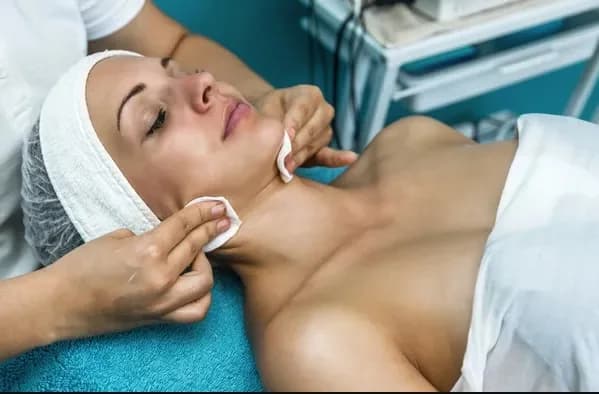
A chemical peel applies a solution to the skin to create controlled exfoliation. Depending on the treatment, it may help with certain types of acne, uneven pigmentation, rough texture or fine lines.
Twacha lists glycolic, salicylic and mandelic peels among its chemical peel treatment options. Its page describes a consultation and personalised selection before application.
That order matters. Two people asking for help with “acne marks” may need different care. One might have flat brown spots, while another has indented scars and ongoing breakouts.
The ingredient name is only part of the decision.
Glycolic Acid: Frequently Mentioned Topical Ingredient for Rough Texture, Uneven Pigmentation
Glycolic acid is an alpha-hydroxy acid, or AHA, that is comparatively low molecular weight.
A dermatologist can consider it for coarse texture, superficial pigmentation, fine lines or specific acne problems.
You may recognise the name from a toner or serum. A professional peel, however, can behave very differently from a daily skincare product. Its formulation and application need careful control.
Having used glycolic acid at home is useful information for your clinician. It does not establish which professional peel your skin can tolerate.
Salicylic Acid: Often Discussed for Oily, Congested Skin
Salicylic acid is commonly called a beta-hydroxy acid, or BHA. It is oil-soluble, which helps it work within oily follicles and loosen material contributing to blocked pores.
That makes it a frequent consideration for blackheads, whiteheads and some forms of acne.
Still, oily skin can also be irritated or sensitive. Tell your dermatologist if your face feels tight after washing, or if it stings when you apply products. That information might influence their decision on whether you would benefit from a peel at the time of your appointment.
Mandelic Acid: An Option When Tolerability Matters
Mandelic acid is another AHA. It is used for concerns including acne and uneven pigmentation, and some formulations may be better tolerated than glycolic peels.
That is why it may come up when a clinician wants a more cautious approach.
But “gentler” does not mean irritation is impossible. Your skin’s condition and the full formula still matter. A clinical review of chemical peeling agents discusses these differences in use and tolerability.
You do not need to choose a winner among the three. Their uses overlap, and your clinician may sometimes consider a combination formula.
Why the Percentage Does Not Tell the Whole Story
It is tempting to assume that a higher percentage means a better result. Peel strength is more complicated than that.
Professional selection considers:
● The acid and its concentration: Different acids cannot be compared by percentage alone.
● The pH: This describes how acidic the formula is and affects its activity.
● The formulation: Other ingredients and the product’s base influence how it behaves.
● The application: Contact time and the number of layers can change the treatment’s effect.
This is why two peels with similar-looking labels may produce different responses.
At a Chemical Peel Treatment Clinic in Delhi, ask what the proposed formulation is expected to do for your concern. That answer is more useful than being offered the highest available strength.
What Else Guides Professional Peel Selection?
Your Main Concern
“Brighter skin” can mean different things to different people: a reduction of acne scars, uneven pigmentation or roughness, etc.
Be as specific as possible about what concerns you. Treating active breakouts may take priority over treating scars, or treating persistent pigmentation may require additional procedures beyond the ones you’re considering.
How Your Skin Reacts and Heals
Mention previous reactions, lingering dark marks after irritation and any tendency to scar.
Darker skin tones can receive appropriate peels, but experience matters because inflammation can cause unwanted pigment changes. The American Academy of Dermatology’s chemical peel guidance recommends choosing a dermatologist experienced in treating your skin tone.
Your Current Products and Medical History
Bring a list or photographs of your skincare products and medicines. Include retinoids, exfoliating acids and acne treatments.
Also mention cold sores, recent procedures, allergies, pregnancy or breastfeeding. Your clinician can decide whether treatment needs to be modified or postponed and give specific instructions about your routine.
Your Recovery Plans
An appointment that fits into your lunch hour doesn’t mean you’ll leave the office looking the same way you arrived the following afternoon.
Redness, dryness or flaking may follow a peel, depending on your particular treatment. Be sure to tell the office about any upcoming events or vacations involving outdoor activities so they can advise you accordingly.
Leave the Consultation with Clear Answers
Make sure you understand the options presented to you and ask questions until you feel you have a thorough understanding of the proposed treatment and why it’s necessary before moving forward. For example, you may ask.
● Which concern are we treating first?
● Why does this peel suit my skin?
● What reaction and recovery should I expect?
● Which products should I pause, and when can I restart them?
● How will we assess progress before repeating treatment?
You can meet Twacha’s dermatology team before arranging your visit.
Once your treatment is complete, continue to follow the special aftercare moisturising and sun-protection regime. Do not pick at any flakes and avoid adding extra exfoliation to the treatment to speed up the process. Contact the clinic if you develop significant burning, swelling or increased irritation.
Bring Your Skin Concerns, Not a Preselected Peel
Understanding the names helps you take part in the discussion. You do not have to arrive knowing which acid to request.
If you are looking for a Chemical Peel Treatment Clinic in Delhi, visit Twacha Skin Clinic in Sector 12A, Dwarka, or call us at +91-9350303663 to schedule a consultation.
Come prepared with a list of products you are currently using – talk about your concerns and ask what a suitable course of treatment would entail, before making any commitments.
FAQs
1. Are some peels better than others (glycolic, salicylic, mandelic, etc.)?
There is no universal response to this query – certain acids are more effective for particular skin types. Glycolic acid, for instance, is commonly used for its capacity to penetrate the skin and reduce roughness and uneven pigmentation; salicylic acid is better suited for treating congested pores and acne; and mandelic acid is a good option for those with sensitive skin. It is not always obvious which type of peel is the most appropriate, and your concerns will help determine that.
2. Does more visible peeling mean better results?
Not necessarily. How much your skin will peel depends on the type of peel, its strength, and your skin. In some cases, a shallow peel may be all that is needed to see improvement. Visible peeling is not a prerequisite for successful treatment. Improvement should be judged in relation to the condition being treated.
3. Can I make my own acid treatment at home?
If you mean a commercial product containing a particular acid, then it won't be as strong or may be in a different concentration or formulation than you would get in a professional treatment. In addition, you cannot recreate the environment of an office treatment, such as applying multiple acids or leaving them on the skin for different amounts of time. Discuss with your doctor how your at-home maintenance can complement your peel treatments.