Wrinkles are one of the most visible signs of aging, but they're far from unavoidable. With the right combination of professional treatments and daily skincare habits, fine lines and deeper creases can be significantly softened — restoring a smoother, more youthful look to your face, neck, and hands.
What Causes Wrinkles?
Wrinkles develop when skin loses collagen and elastin, the proteins responsible for keeping it firm and elastic. This breakdown happens gradually due to a mix of factors:
- Natural aging — collagen production slows down over time
- Sun exposure — UV rays accelerate the breakdown of skin fibers
- Repeated facial movements — expressions like frowning or squinting create dynamic lines that eventually become permanent
- Lifestyle habits — smoking, poor hydration, and lack of sleep all contribute
- Environmental stress — pollution and harsh weather can speed up skin aging
The result is sagging skin and the formation of lines and folds, most commonly around the forehead, eyes, mouth, and neck.
Types of Wrinkles
Not all wrinkles are the same, and understanding the difference helps in choosing the right treatment:
- Dynamic wrinkles – caused by repeated muscle movement (forehead lines, frown lines, crow's feet)
- Static wrinkles – present even when the face is at rest, usually from long-term collagen loss
- Deep folds – more pronounced creases like nasolabial folds or marionette lines, often needing volume restoration
Modern Treatment Options for Wrinkles
Dermatology has come a long way from one-size-fits-all creams. Today, treatment plans are tailored to the type and depth of wrinkles a person has. Some of the most effective approaches include:
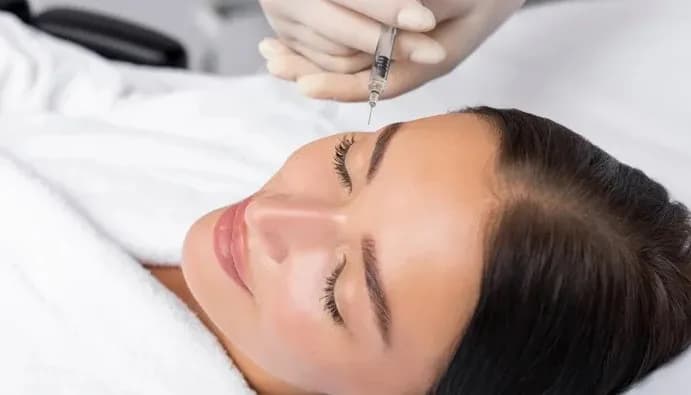
Injectable treatments that relax overactive facial muscles work well for dynamic wrinkles such as forehead lines and crow's feet, while volumizing injections help restore lost fullness in areas like the lips and nasolabial folds. If you want a closer look at how these work, you can read more about anti-wrinkle injectable treatments.
Skin-tightening technologies, such as ultrasound-based treatments, stimulate collagen production deep within the skin, gradually lifting and firming sagging areas without surgery or downtime.
Regenerative therapies, including microneedling combined with platelet-rich plasma, create controlled micro-injuries that trigger the skin's natural repair process, boosting collagen and reducing the appearance of fine lines over several sessions.
Resurfacing treatments like chemical peels remove the outermost layer of dead skin, encouraging fresh cell turnover and softening superficial lines.
Hydration-focused treatments, such as injectable skin boosters, work from within to plump and revitalize the skin, giving it a smoother, more radiant texture.
If you're unsure which option suits your skin type, booking a consultation is the best way to get a treatment plan customized to your needs. You can book an appointment with our dermatology team to discuss what's right for you.
Preventing Wrinkles Before They Start
Alongside in-clinic treatments, everyday habits play a big role in slowing down the aging process:
- Wear sunscreen daily — a broad-spectrum SPF 50+ is one of the most effective ways to prevent premature aging
- Build an anti-aging skincare routine — ingredients like retinoids, hyaluronic acid, and vitamin C help maintain skin structure
- Prioritize overall health — a balanced diet, adequate hydration, and good sleep all support skin repair
Frequently Asked Questions
Q1: At what age should I start worrying about wrinkles?
There's no single "right age" — it depends on genetics, sun exposure, and lifestyle. However, preventive skincare (like daily sunscreen and antioxidants) is worth starting in your mid-20s to early 30s, before visible lines even appear.
Q2: Are wrinkle treatments painful or do they require downtime?
Most modern wrinkle treatments, including injectables and non-surgical skin-tightening procedures, involve minimal discomfort and little to no downtime. Some treatments may cause mild redness or swelling for a day or two, but you can typically resume normal activities right away.
Q3: How long do the results of wrinkle treatments last?
This varies by treatment type. Muscle-relaxing injectables typically last a few months, while collagen-stimulating treatments like microneedling or skin-tightening procedures offer more gradual but longer-lasting improvement as they encourage your skin to rebuild its own structure over time.